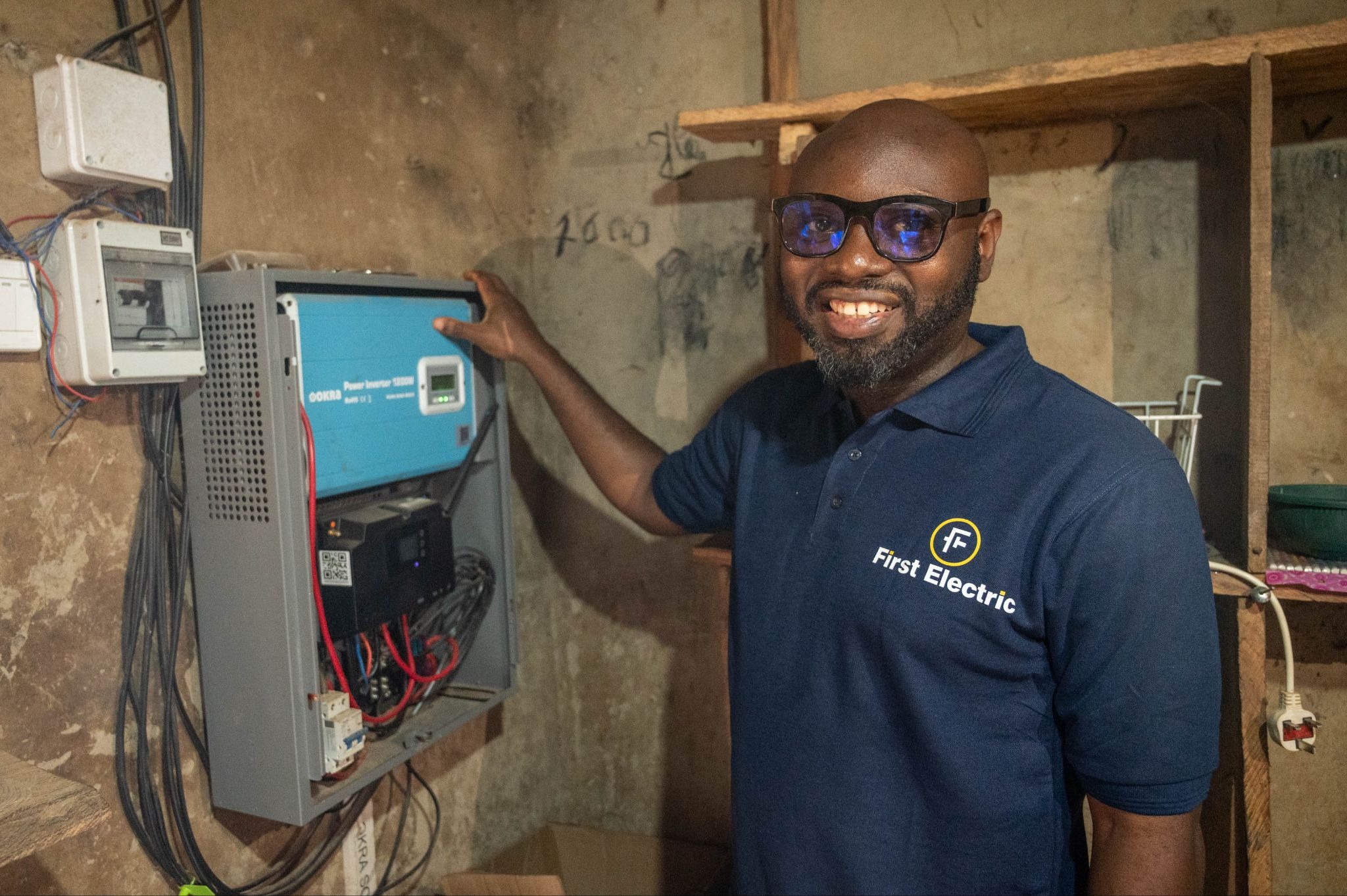
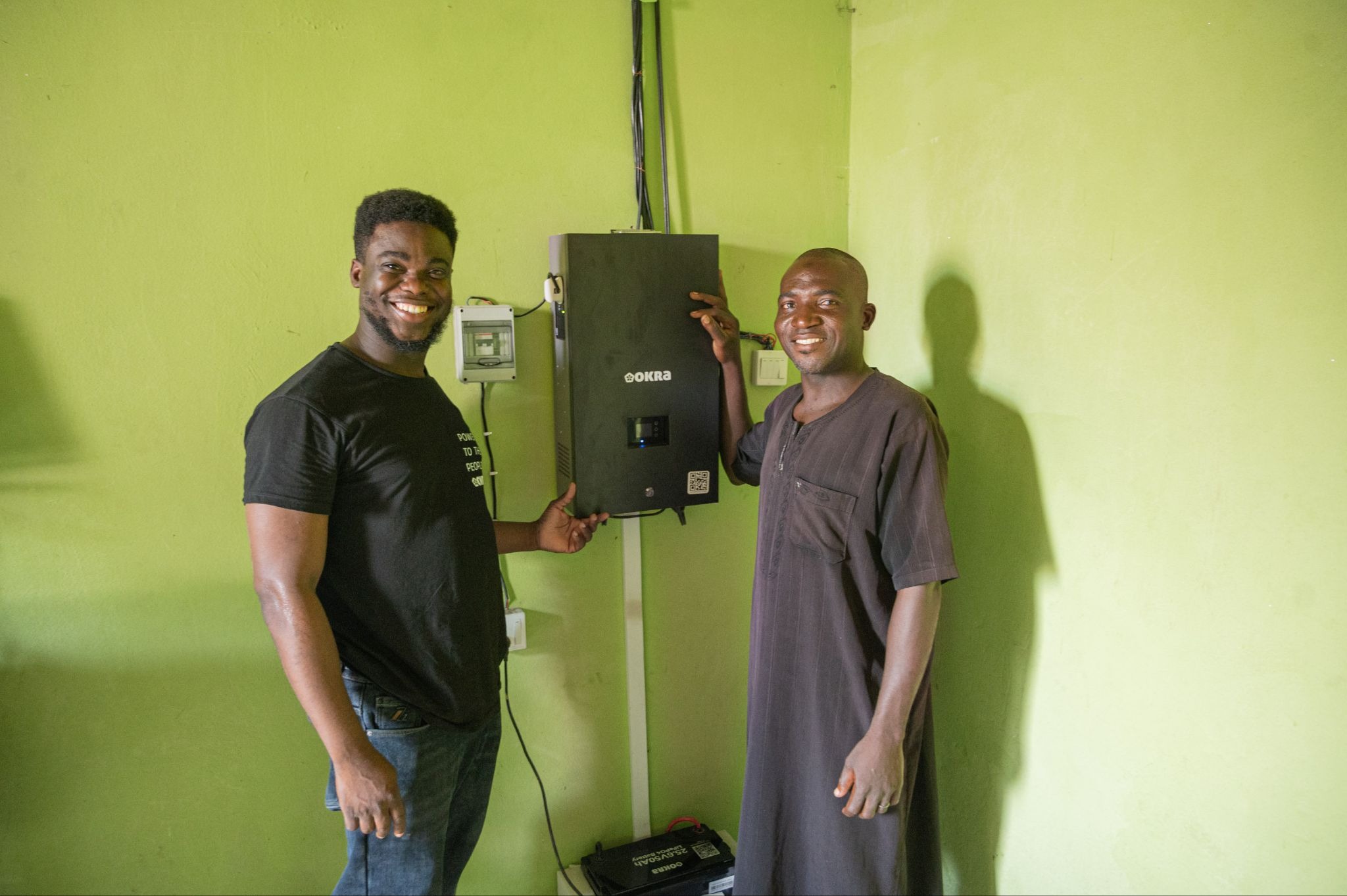
The "Backing Board" Era (Pre-2023)
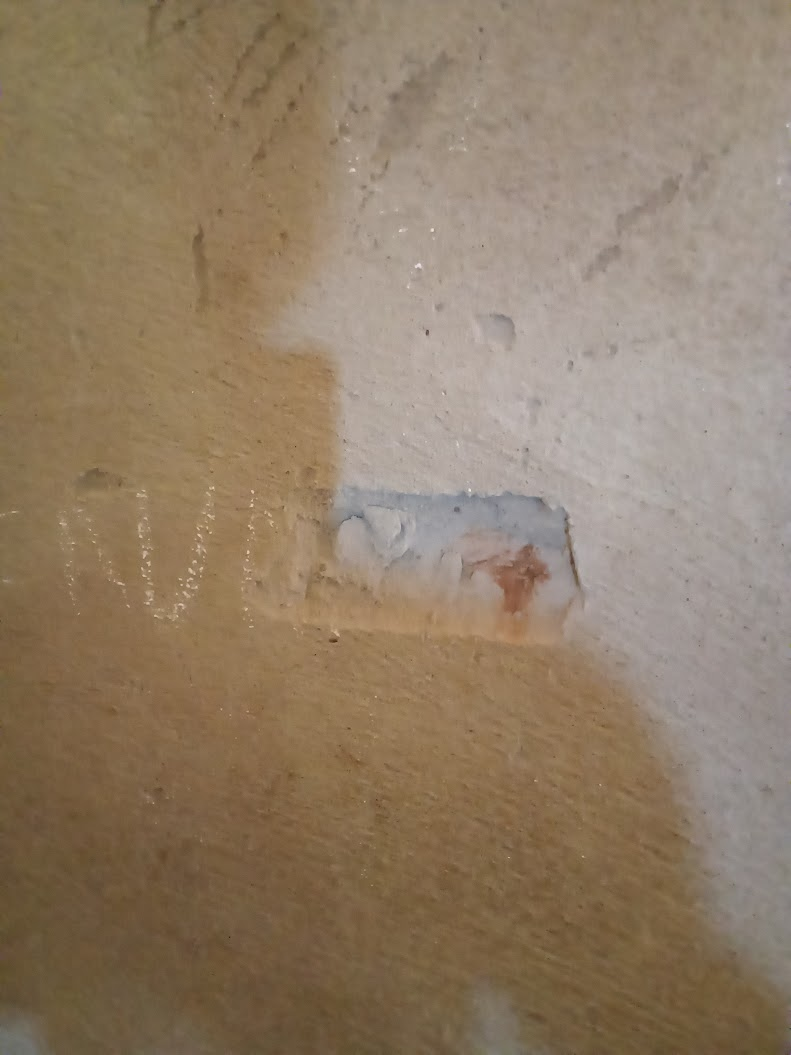
In the early days of our mesh-grid deployments, MDF backing boards were our standard solution for the variable and uneven wall surfaces found in rural homes. While a cost-effective mounting solution, these boards left the Okra Pod, inverter and wiring exposed. This made it easier for users to tamper with the system.
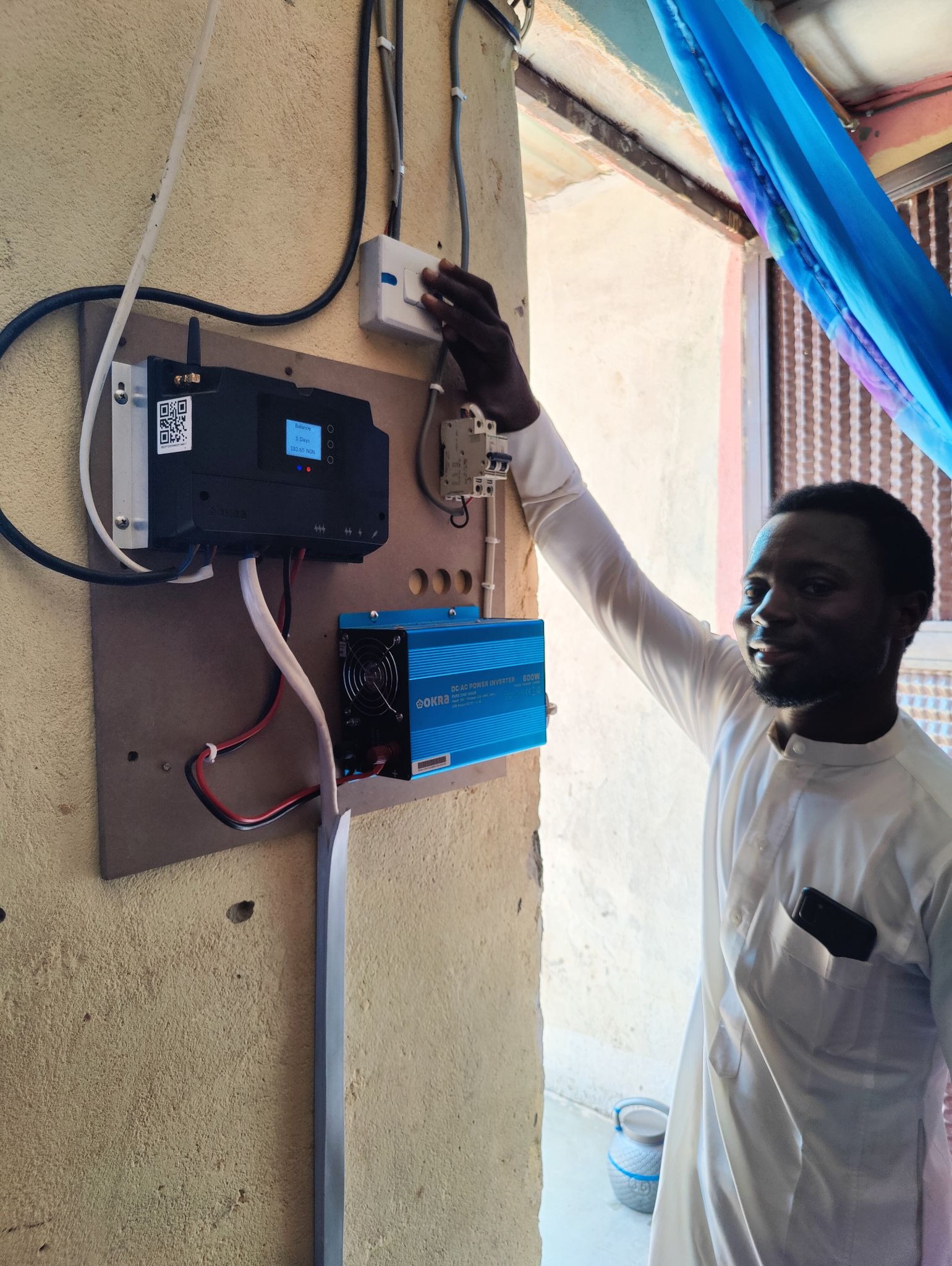
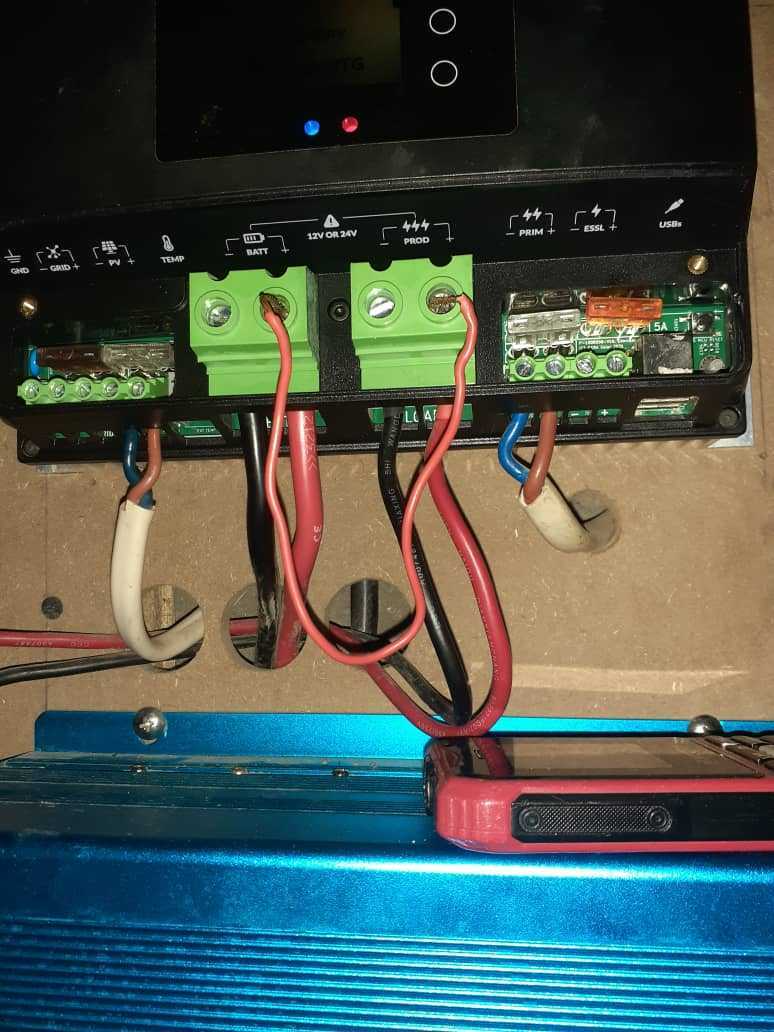
Although we could detect power theft remotely via Harvest, our partners found it challenging to navigate the social friction of confronting their users about it. In some cases the user would remove the tampering evidence before the agent came inside the house. In others the user would claim it was someone else, a son or a brother who had done the tampering, and who was not there at the moment. It was often difficult to establish definitively that tampering had occurred for this reason, and so hard to take corrective action. We decided that the best way to solve this was to prevent tampering before it happened. This led us to custom-build the Sprout as a rugged, "neutral third party" enclosure that secures the grid by design, Although it’s never possible to completely eliminate all tampering, we’ve made it much harder to and removed the burden of conflict from the operator. Additionally, although cost was always top of mind, our customers wanted to see us deliver a more aesthetic solution for households, and do away with all the messy wiring.
Prototypes and Paperclips
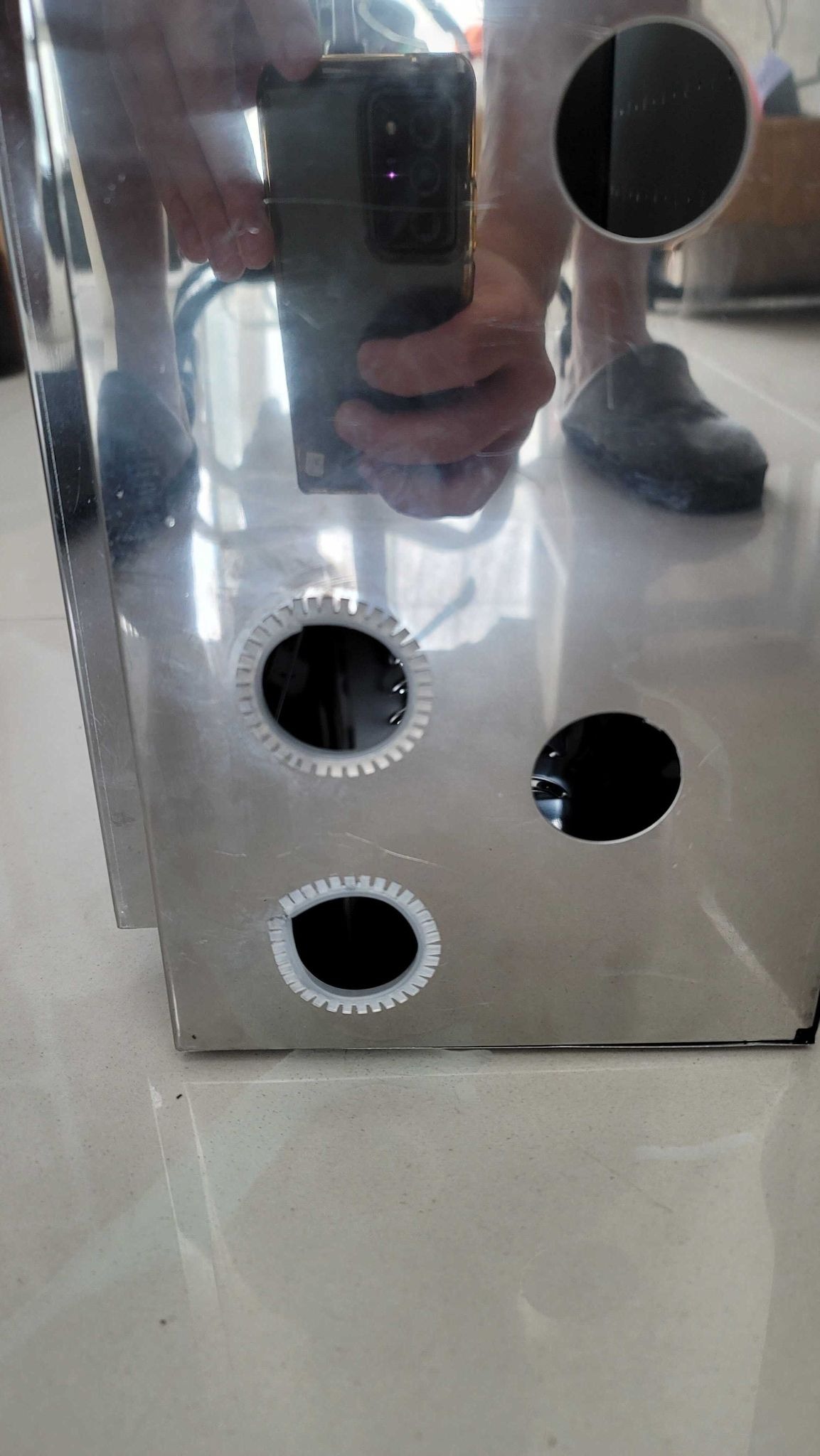
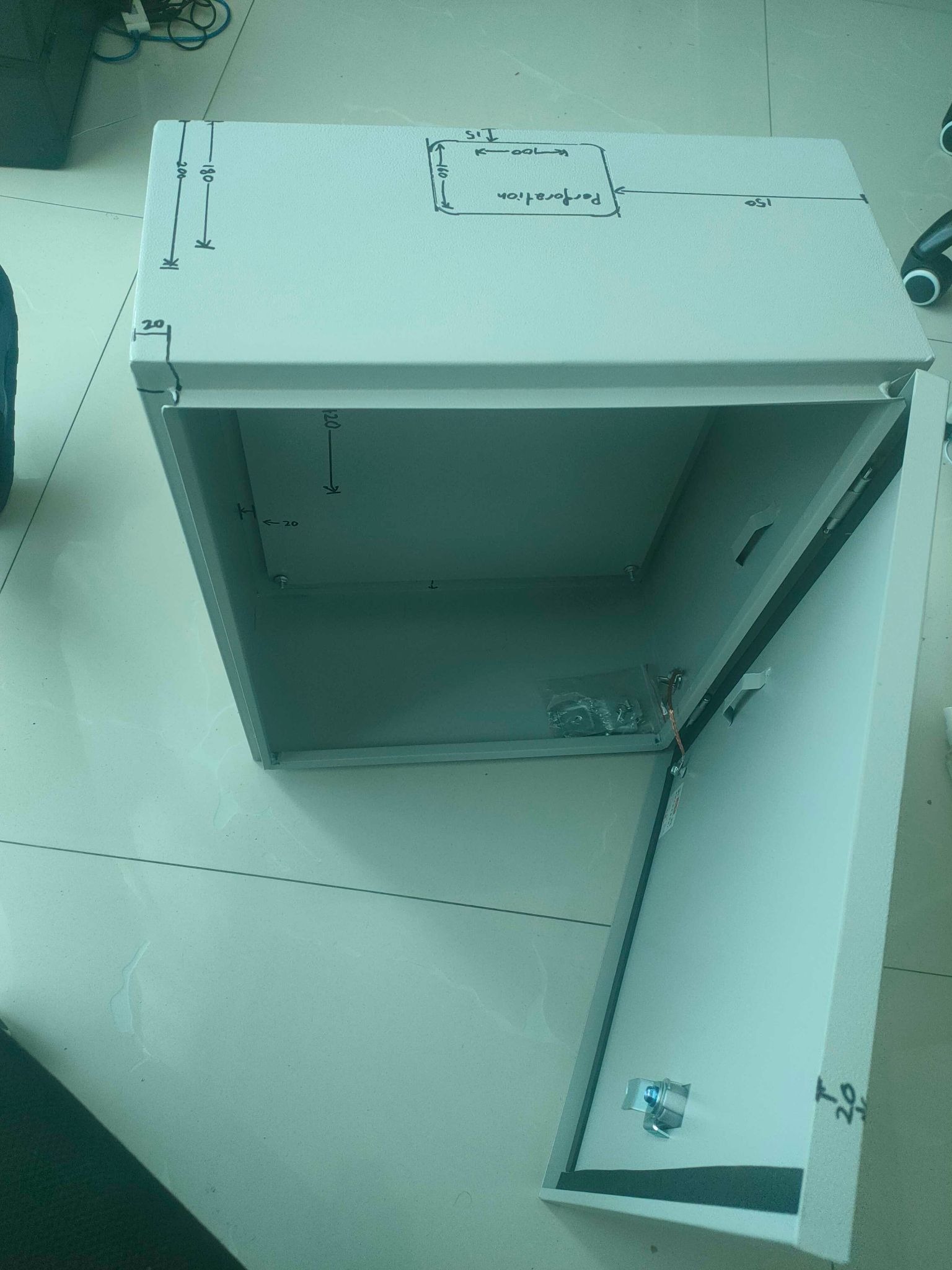
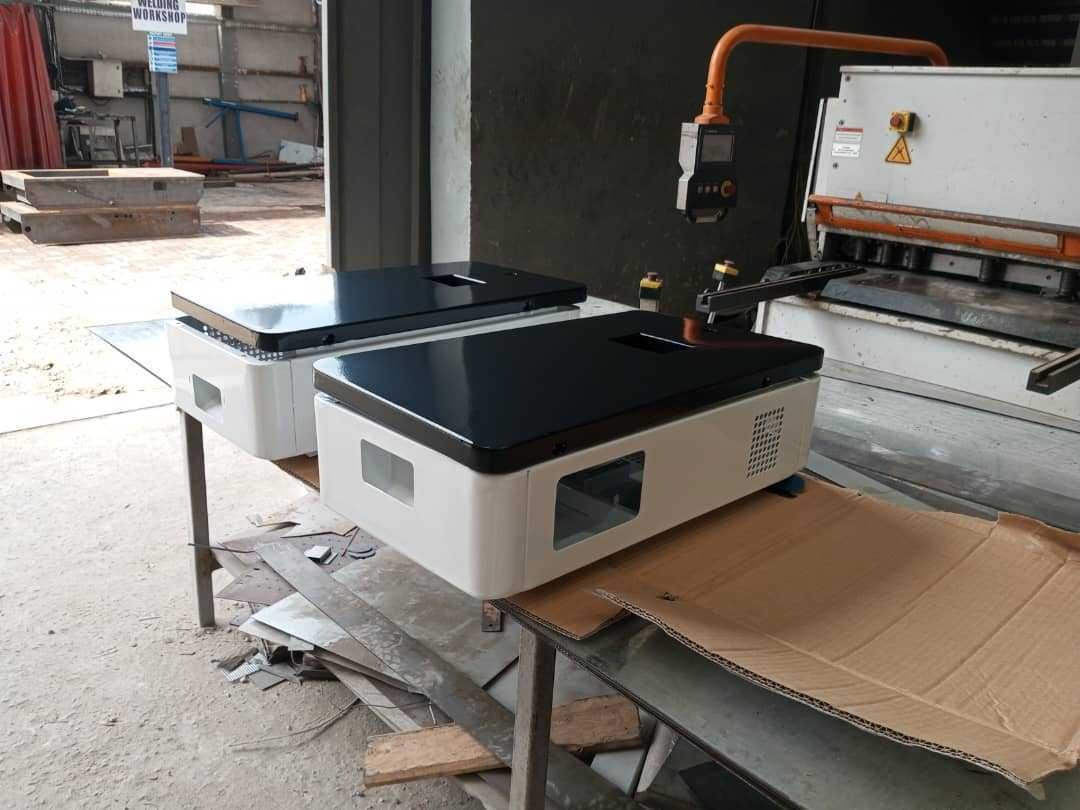
In late 2022, we tested our first prototype using off-the-shelf sheet metal distribution boxes. However, deployed with our partner Alina Eneji, we quickly discovered that standard locks were no match for persistent users, who simply bypassed them with paperclips or forced the metal open to reach internal wiring. We also wanted to ensure the Pod’s screen and buttons would be accessible for monitoring and maintenance purposes. This phase proved that off-the-shelf hardware lacked the features and price point needed for mesh-grid electrification. So we decided to set about custom designing our own.
Custom Engineering: Okra-in-a-Box (2023)
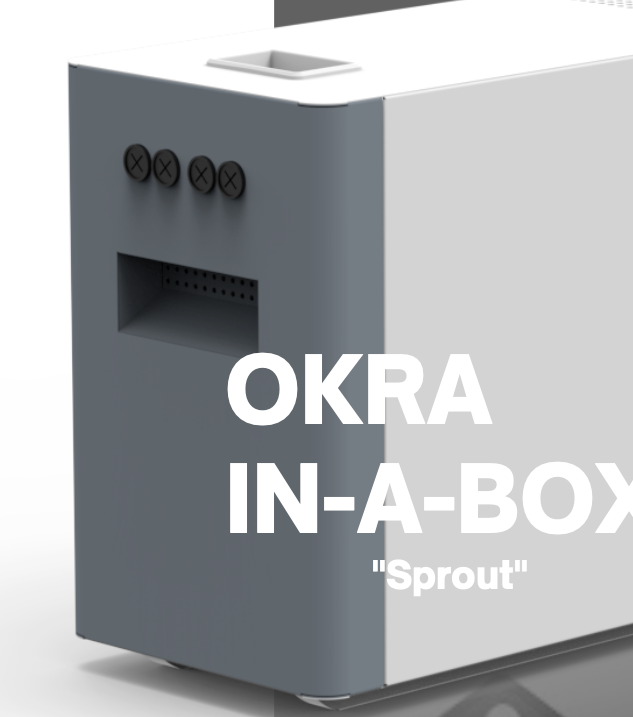
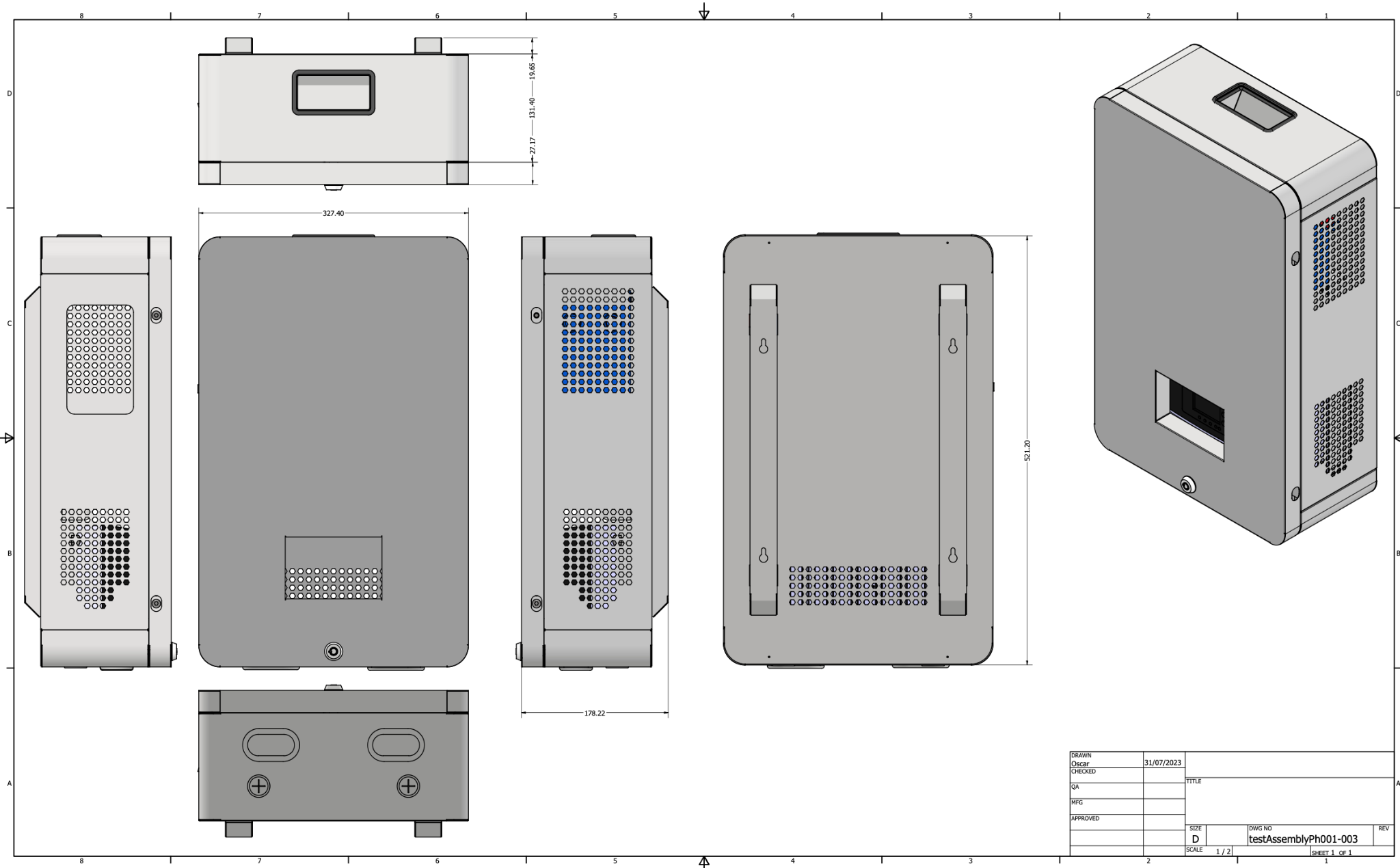
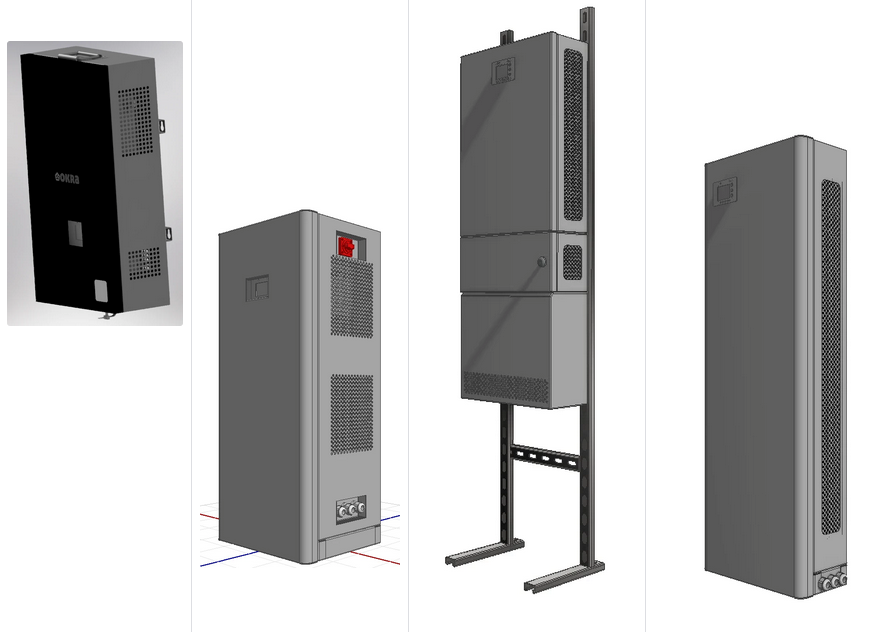
In 2023, our first dedicated mechanical engineer Akeem joined our team through an “Engineering 4 Change” (E4C) fellowship to work on mechanical design. He created a concept document for the design, which at this point was known around the office as "Okra-in-a-Box". There were many decisions to be made during this stage around the form factor of Sprout and which components should be integrated, including the heavy 100Ah battery, into one enclosure. Although this all-in-one unit was considered, we prioritized wall-mounting the system to keep it protected and stable. We ultimately realized that it was difficult for the mud-brick walls in many rural homes to support the combined weight of the electronics and the battery, so we kept them separate. This choice allowed us to focus on a steel enclosure to house the Pod, inverter and wiring from the panels and batteries. Other considerations that were ruled out included a fully floor-mounted solution (risk of damage , users using it as a table or chair) and a stackable battery enclosure (extra cost).
Antenna Performance Gains (2024-2025)
After finalizing the main enclosure, we encountered a technical challenge with antenna placement. Originally, the call was made to keep the antenna housed inside the Sprout enclosure, to keep it from being removed by users. This meant a performance trade-off, as the antenna was less able to send and receive signals through the metal enclosure.
Eventually, we decided that we could achieve big gains in signal reception with some relatively modest cost additions. We tested a number of antenna designs and discovered that a flat, panel-mount design could not only address the tampering problem (the antenna cannot be unscrewed from the outside), but also use the metal surface of the Sprout to actually amplify signal reception.
The 2025 Optimized Standard
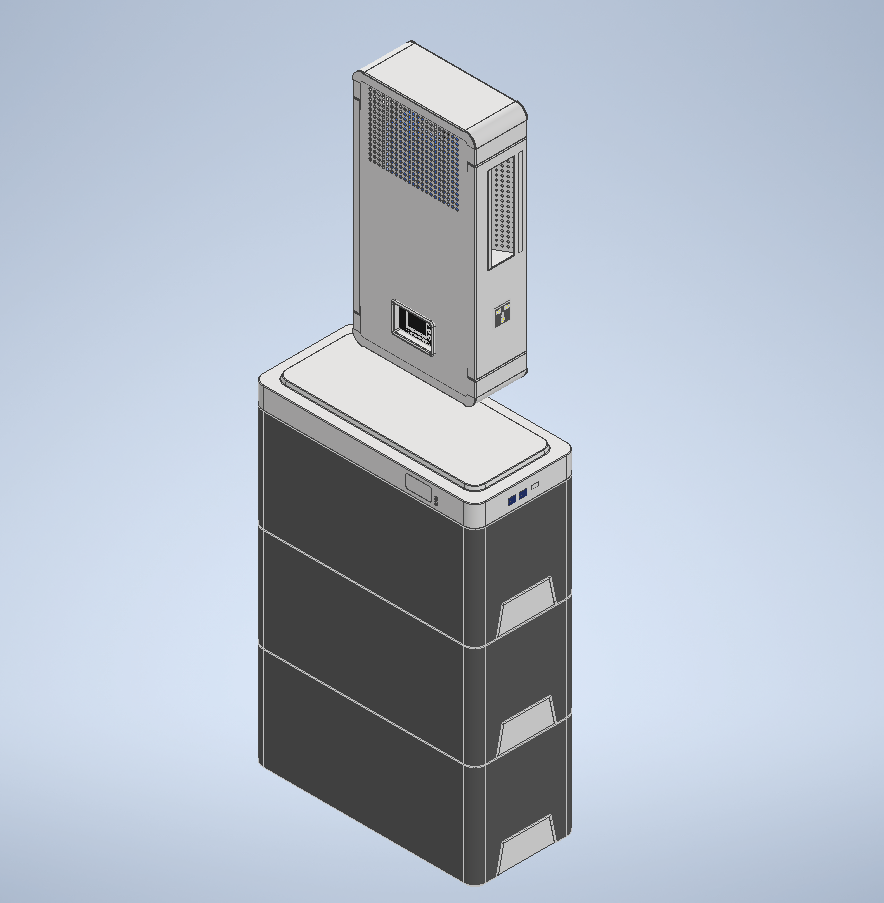
By 2025, we carried out a major redesign to better match community power requirements and optimize costs. We split the design into two primary variants: the L45 for 800W light productive use and the L90 for 1200W heavy applications, supporting up to 12 spokes. This version integrated an internal battery circuit breaker for added safety, and finalized the front mounted antenna design to ensure reliable Wi-SUN connectivity while deterring theft. We also focused on cost efficiency by removing non essential elements of the chassis.
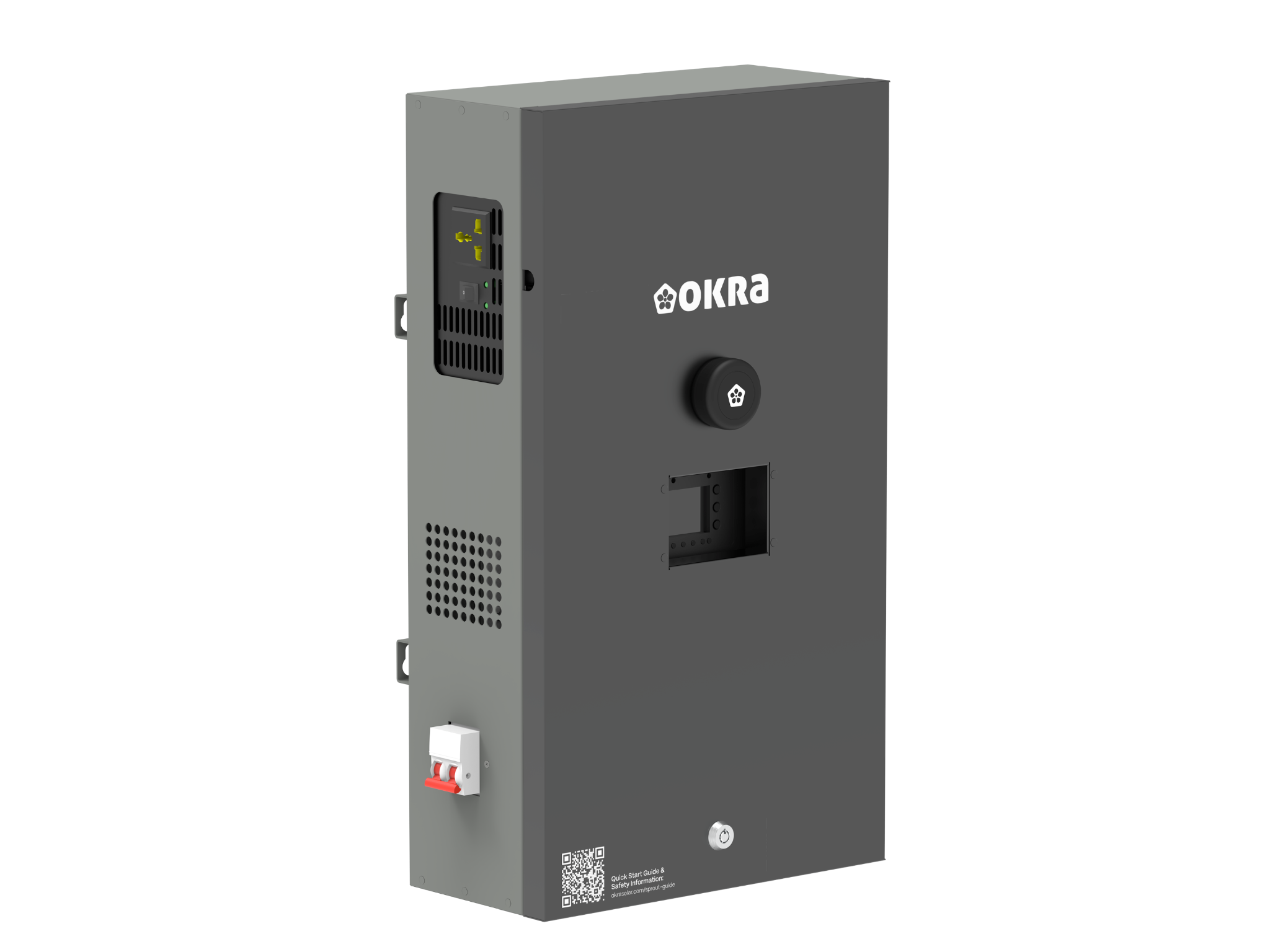
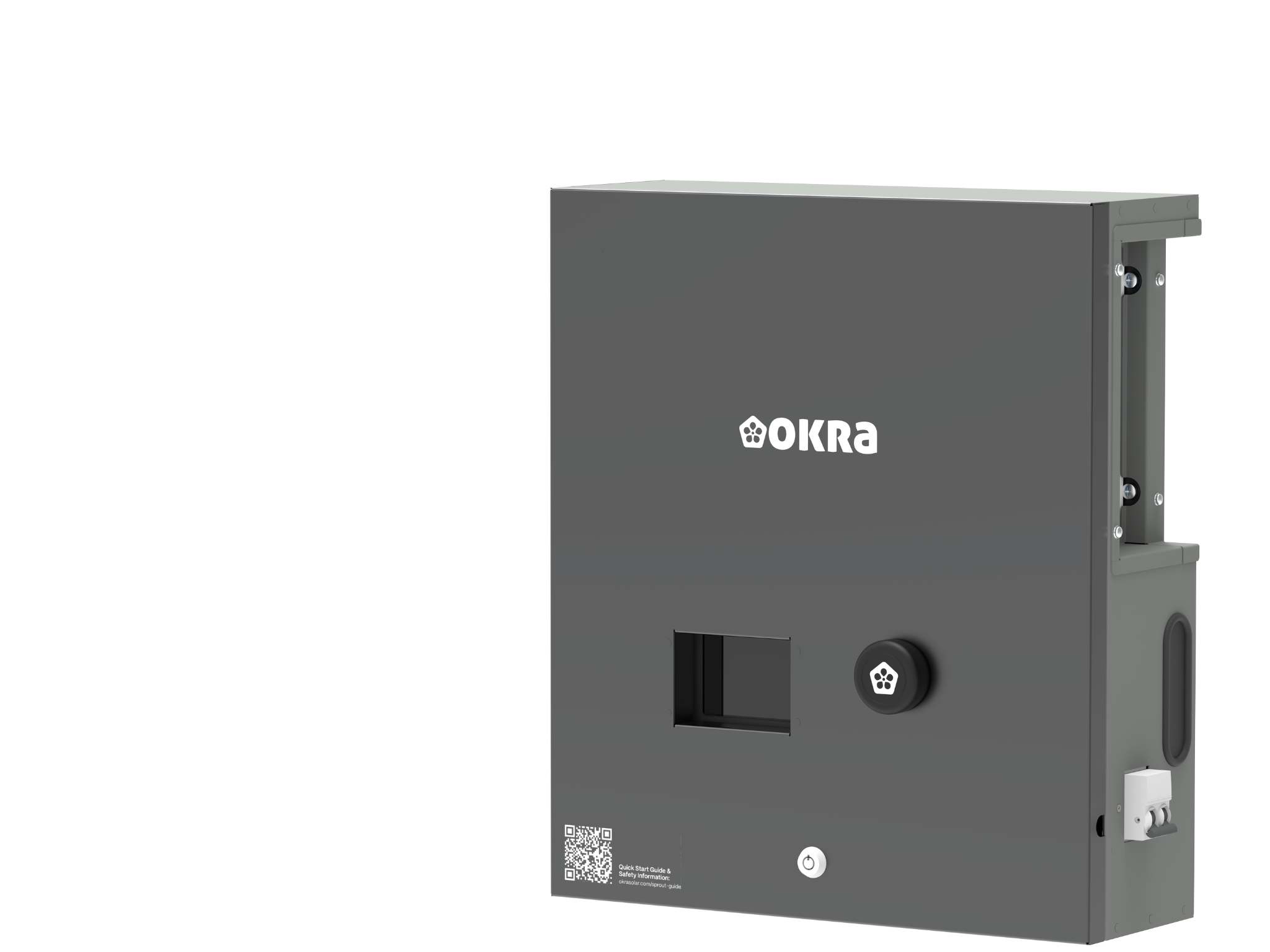
Final render of Sprout L45 (top) and L90 (bottom) variants, with antenna mounted on the front.
More Than a Metal Box
The journey from simple wooden backing boards to the current Sprout design has been a rigorous learning process for our team. Each iteration, from identifying security flaws in off the shelf boxes to the complex RF engineering required for the antenna, was a direct response to the persistence of our users and the environmental realities of the last mile.
We learned that scaling energy access effectively requires a design that is safe for local agents to maintain, rugged enough to deter tampering, and light enough for the mud-brick walls found in rural households. Today, the Sprout is an essential piece of the Okra hardware lineup that protects both project revenue and community trust. As we prepare to install approximately 4,000 units this year across partners like First Electric, Renewvia, and Sosai, we are moving forward with a product that is truly built for the realities of the communities it serves.